

“The world is young, the sciences are recent, history has barely begun, and as for ecology, it is barely in its infancy: Why should we have finished exploring the institutions of public life?”
— Bruno Latour

Research
I do not understand research if it is not empirical, problem-oriented, transdisciplinary and team-based. This is what I learnt during my training in the HISTEX research group led by Javier Moscoso and what I have tried to apply throughout my career. It is the spirit of the New Humanities, which does not seek an antiquarian knowledge of the world, but rather to contribute to solving the serious problems that beset us and that do not respect the old disciplinary boundaries.
To carry out this kind of research, in 2022 I founded ehCOLAB, a space where researchers, artists and professionals come together to address the challenge of climate change from a humanities and social science perspective, and from which we carry out various research and knowledge transfer projects.
I have published research articles in national and international journals, book chapters in collective works and the book Componer un mundo en común. ¿Por qué necesitamos a Bruno Latour?
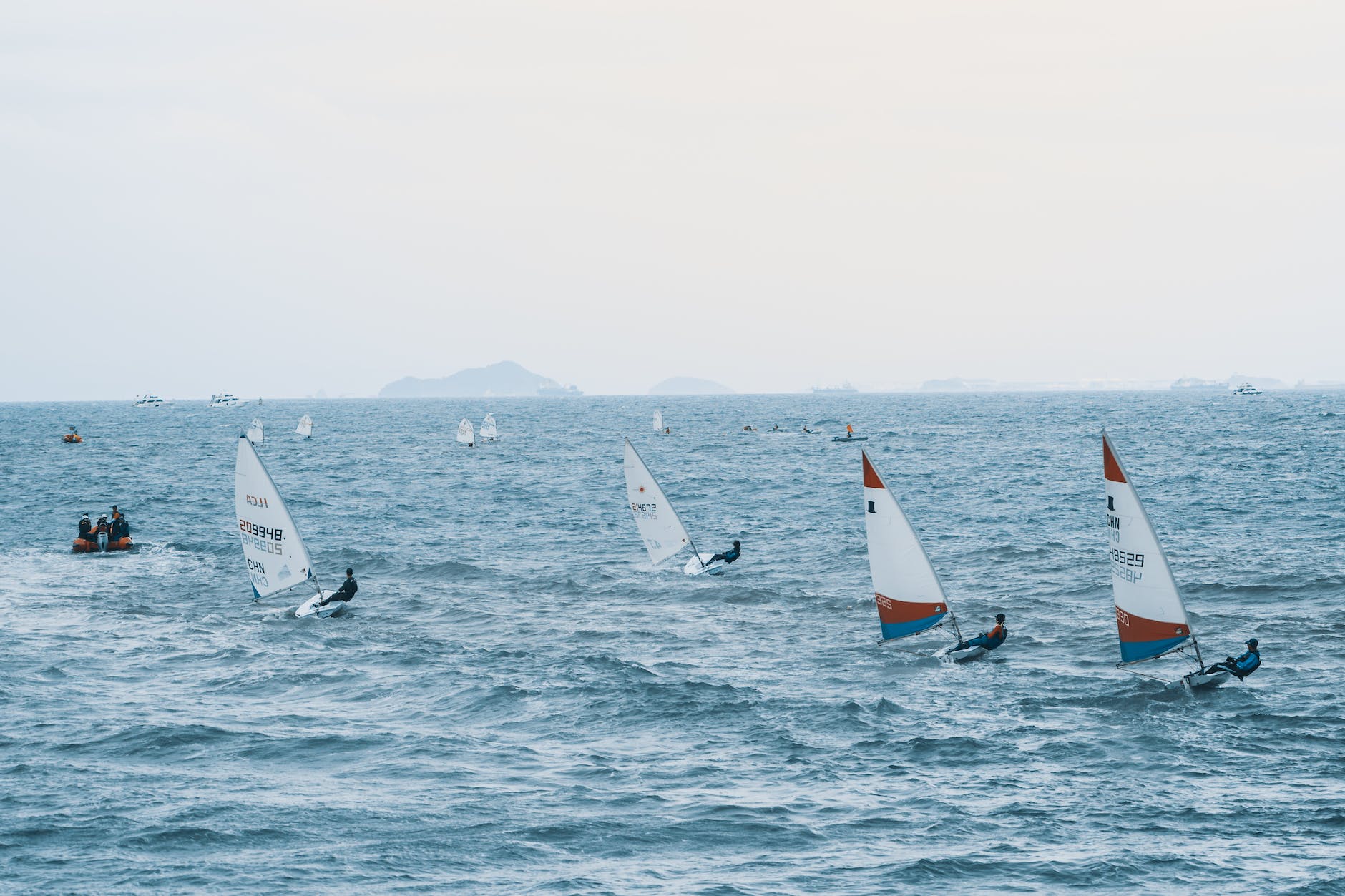
In today’s universities, teaching seems to be something secondary. In fact, it is often used as an “incentive” for research, “freeing” those who are “good” and “burdening” those who are “not good”. However, there are few things more rewarding than teaching, as long as we understand it as a process of mutual growth, a space in which to explore and expand our knowledge. This is how I approach my teaching, whether at university or outside. And this is how I supervise those who come to me to write a dissertation or doctoral thesis. On this link you will find the syllabus of the various subjects I have taught over the years, in case it might be useful.
Public Engagement
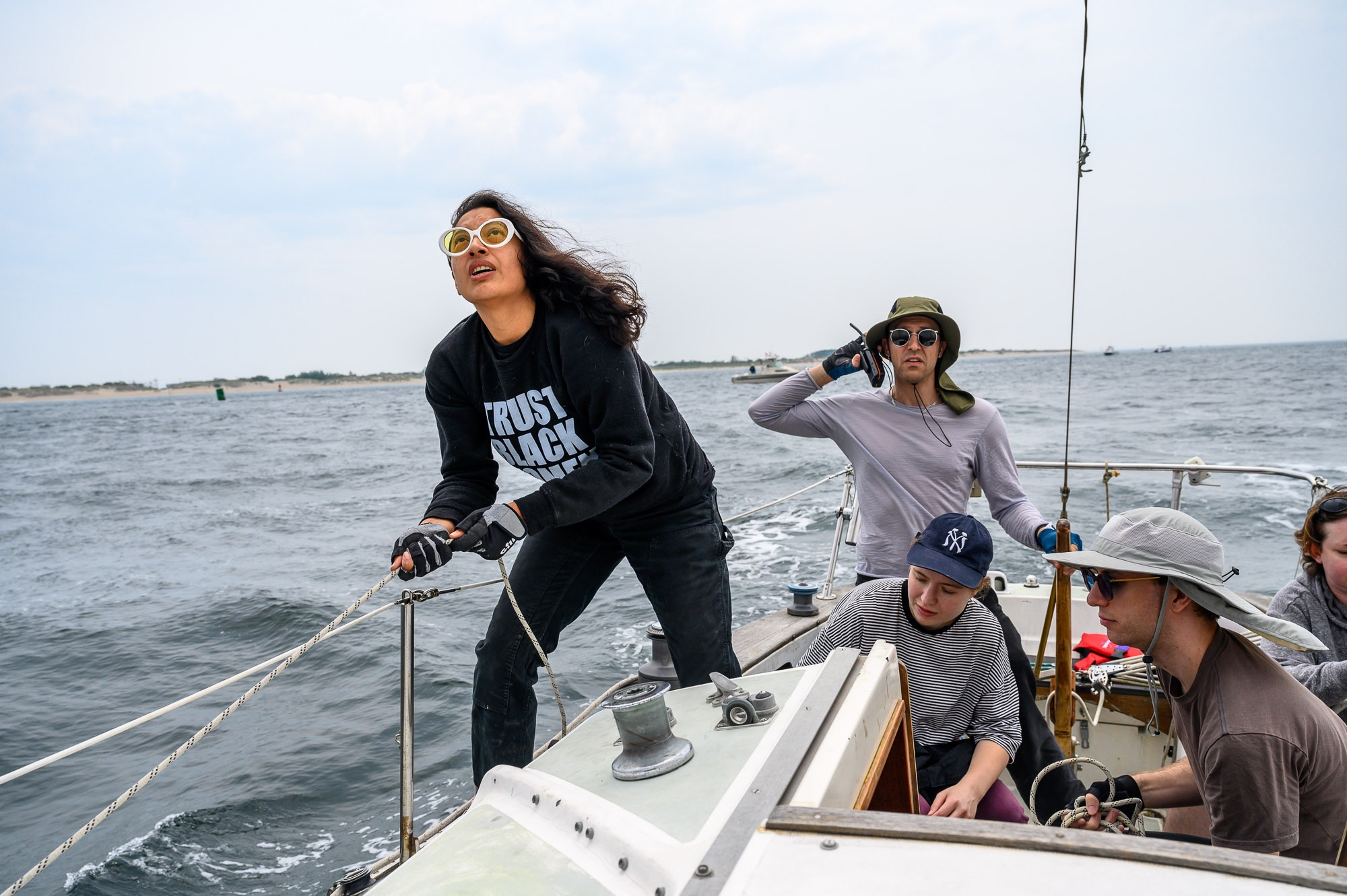
Solving the problems we face today, which are beyond the capacity of traditional disciplines, requires the creation of new communities of knowledge. Communities that integrate not only expert knowledge, but also other lay, local and/or traditional knowledge that will allow us to refine our descriptions as much as possible. This is why, from the beginning of my career, I have been interested in collaborative research and in supporting processes of shared knowledge generation. These are the most recent examples.

Outreach
It is necessary to transmit and communicate the most innovative work we do to society. It is not a question of being “up to date” for the sake of a simple “consumerist” desire for knowledge. Rather, our personal and collective decisions are often based on outdated knowledge, on ideas generated in the past and contradicted by the latest research. This is true not only of science, but also of the humanities and social sciences. I have dedicated part of my work to communication and outreach, both through exhibitions, documentaries and podcasts, and through participation in the press. In this way, I try to contribute to a public debate based on the most up-to-date and reliable information, which is essential for our democracies.
 Juan Manuel Zaragoza